
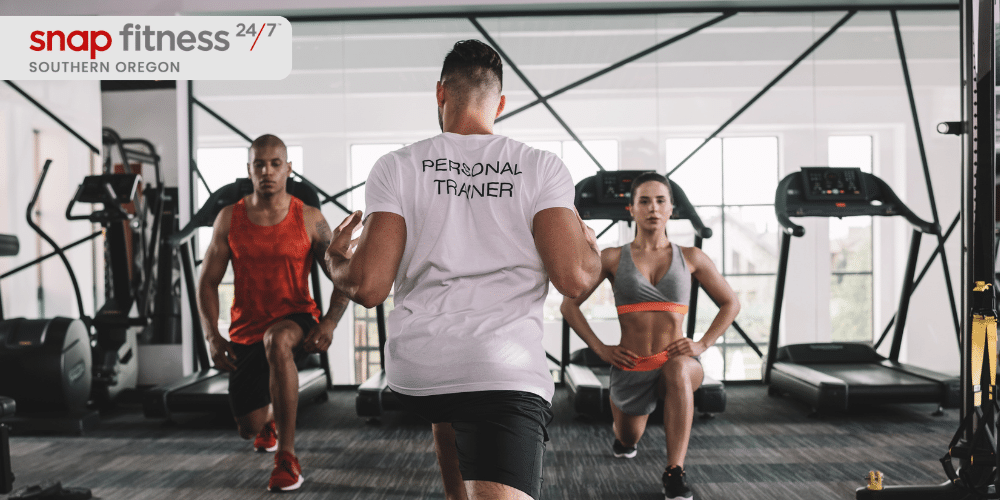
If you sit at a desk in Ashland, Personal Training Services can pay off by improving posture habits, building strength where you need it most, and supporting steady stress management you can use at work and on the trails.
- Set a “reset” timer: stand up and take 10 slow breaths every 45–60 minutes.
- Do a quick posture check: ribs stacked over hips, feet grounded, shoulders relaxed.
- Use a simple desk drill: 8–10 chair or wall-supported hip hinges to wake up glutes.
- Train your upper back: add rows or band pulls 2–3 times per week to support posture correction.
- Balance sitting with carries: farmer carries build core bracing and “tall posture” strength.
- Choose a plan you’ll repeat: 2 short workouts beat an ambitious plan you skip.
- Track your workout ROI: log energy, focus, and nagging tension—not just weights and reps.
A Workday-to-Weekend Framework for Better Posture and Lower Stress
Step 1:
Start with a realistic baseline: how many hours you sit, where you feel tight, and what movements make you feel better. A coach can spot patterns you might miss—like breath holding, rib flare, or a desk setup that encourages slumping. This is where your workout ROI begins: doing the right work instead of just more work.

Step 2:
Build a posture-friendly strength base with simple, repeatable movements like rows, hinges, and squats to a comfortable depth. Your coach can tailor options to your body and your schedule, so you stay consistent even during busy weeks. Strength supports posture correction by giving your body the “hardware” to hold better positions.
Step 3:
Add micro-mobility that fits your calendar, not the other way around. Think 2–4 minutes of thoracic rotation, hip flexor opening, or gentle neck mobility between meetings. Small, frequent resets can support stress management by interrupting the tense, hunched “work mode” your body defaults to.
Step 4:
Train your core for real life: bracing, breathing, and carrying—not just high-rep crunches. A coach can help you connect breath to movement so you feel stable in lifts and more relaxed at your desk. Better bracing often means less end-of-day fatigue from “holding yourself up” with your neck and shoulders.
Step 5:
Practice resilience with repeatable progress, not random intensity. Your coach can scale sessions based on sleep, workload, and how your body feels that day, so training supports you instead of draining you. That flexibility is a big part of why Personal Training Services can deliver strong ROI on workouts for busy adults.

Step 6:
Close the loop with coaching check-ins: review what’s working, what’s not, and what to adjust for the next week. This is especially helpful if you’re switching between desk time and outdoor activities around Ashland. Over time, the goal is simple: your body feels more capable, and your habits feel easier to keep.
Indoor Training vs Outdoor Movement: Keep Momentum Year-Round
Scenario | Common Challenge | Simple Adjustment | Feel-Good Result |
|---|---|---|---|
Desk-heavy week in Ashland | Low energy and stiff hips/upper back by 3 p.m. | Do a 20-minute strength session at an Ashland Downtown gym: rows, hip hinges, and carries | More upright posture and a calmer, steadier afternoon |
Rainy day or smoky air impacts outdoor plans | Weather or air quality disrupts your routine | Swap to an indoor circuit: bike or treadmill warm-up, then 3 simple strength moves | Consistency stays intact, and you keep the habit without forcing it |
Outdoor adventures start feeling harder than they used to | Burnout or boredom from repeating the same activity | Add coaching-guided variety: single-leg strength, pulling work, and mobility between hikes | Renewed enjoyment and better readiness for weekends outdoors |
Coaching Q&A: Posture, Stress, and Real-Life Results
How do Personal Training Services help if I “just sit at a desk”?
A coach connects your training to what your body needs most: upper-back strength, hip strength, and better movement patterns. You’ll also get practical cues you can apply at your desk, so posture correction isn’t limited to the gym.

Is posture correction about forcing my shoulders back all day?
Not really—trying to “hold perfect posture” can actually create more tension. Coaching focuses on building strength and mobility, so a tall, relaxed posture becomes your default more often, especially when you’re tired or stressed.
Can training support stress management even if life is busy?
Yes, when the plan matches your life. A coach can design workouts that feel sustainable and include breathing, carries, and strength work that many people find grounding after long hours at a screen.
What does “workout ROI” look like beyond lifting heavier?
It can look like less neck tension, fewer “stuck” hips, better focus after workouts, or feeling more capable on trails and during chores. Logging how you feel—energy, sleep quality, overall stiffness—helps you see your ROI clearly.
How often should I meet with a coach to see value?
That depends on your schedule, budget, and how confident you feel training on your own. Many people benefit from consistent check-ins plus a simple plan they can repeat, so they keep improving without guesswork.
Make Your Workday Body Stronger—One Session at a Time
If desk time is part of life in Ashland, you don’t need a perfect routine—you need a plan that works on real weeks. Visit Snap Fitness Southern Oregon and ask about Personal Training Services to build strength, support posture correction, and stay steady with stress management year-round.