

If you want to keep hiking, gardening, traveling, and moving confidently through every season, a simple functional-strength routine can help. Our neighbor-focused 24-hour gym setup—with refreshed interiors and clear training zones—makes it easier for seniors to train for real life, one visit at a time.
- Start each visit with 5–8 minutes of easy cardio and gentle joint circles for hips, shoulders, and ankles.
- Prioritize “everyday strength” moves: sit-to-stands, step-ups, carries, and light hinging patterns.
- Add balance training 2–3 days per week: heel-to-toe walks, supported single-leg stands, and slow marching.
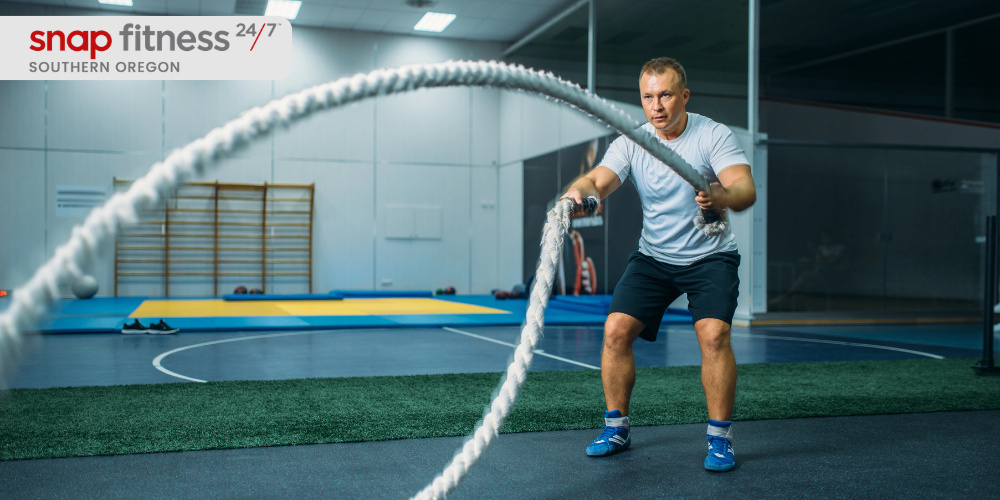
- Use the functional turf zone for simple walking drills, sled pushes at a comfortable load, or farmer carries.
- Choose a “leave-one-rep-in-the-tank” effort so you finish sessions feeling better, not wiped out.
- Build a two-day strength base (20–35 minutes) and a third “mobility + light cardio” day for consistency.
- Ask staff to help you set up machines and pick safe starting weights—especially if you’re returning after time off.
A Year-Round Active Aging Framework for Southern Oregon Living
Step 1:
Pick your “why” in everyday terms: easier stairs, steadier footing on trails, or keeping up with grandkids. When your goal is tied to daily life, it’s easier to show up consistently. A 24-hour gym helps you fit training around real schedules—early mornings, midday errands, or a quiet evening session.

Step 2:
Start with friendly, functional zones instead of wandering the floor. Our refreshed interior updates make it simpler to see where things are and settle into a routine quickly. Decide on two areas you’ll use today—like machines for strength, plus the functional turf zone for walking drills.
Step 3:
Build strength for the movements you repeat most. Think: standing up from a chair, carrying groceries, reaching overhead, and stepping up onto curbs. Keep it steady and controlled, and choose loads that feel challenging but manageable.
Step 4:
Practice balance training like it’s a skill—because it is. Use a wall, rail, or stable machine for support while you work on single-leg stands, heel-to-toe walks, or slow step-overs. Small, frequent practice adds up and supports long-term mobility.
Step 5:
Pair strength days with mobility days to stay comfortable and resilient. A short session of gentle stretching, ankle and hip mobility, and easy cardio can help you move better for outdoor activities. This approach supports senior wellness without making workouts feel overwhelming.
Step 6:
Keep it social and neighborly—because that’s part of the difference here. We aren’t a big-box gym; we’re your neighbors in Downtown Ashland, South Ashland, Talent, and Jacksonville. If you train around the same time each week, familiar faces and a welcoming atmosphere can make consistency feel natural.

Indoor Consistency vs Outdoor Fun: A Habit-Building Comparison
Scenario | Common Challenge | Simple Adjustment | Feel-Good Result |
|---|---|---|---|
Example 1 | Low energy after a busy day or a restless night | Do a 20-minute “basics” circuit: easy cardio + sit-to-stands + light row/pull + a carry | You keep the habit, boost your mood, and leave feeling more capable |
Example 2 | Weather changes or daylight limits outdoor plans | Swap the walk for treadmill or indoor track time, then finish with balance training near a stable support | More consistency and less “start over” momentum loss |
Example 3 | Boredom with the same routine | Rotate zones: machines one day, functional turf zone the next, and a mobility-focused session on day three | Renewed enjoyment and better adherence without needing longer workouts |
Senior Wellness Q&A: Practical Answers for Feeling Strong and Steady
If I’m new to strength training, where should I start?
Begin with simple patterns you already do in daily life: sit-to-stands, step-ups, gentle pushes and pulls, and light carries. Start with a comfortable weight and smooth repetitions, and ask staff to help you set up machines so everything feels stable and aligned.
How often should I do balance training?
Many people do best with smaller, more frequent practice—2–3 times per week or even a few minutes on most gym days. Keep it safe by using a wall or sturdy surface for support and focusing on slow, controlled movement.
What makes your gym feel different from a big-box gym?
We keep things welcoming, clean, and easy to navigate, and the updated interior and zones make it simpler to train with purpose. You’re also likely to see familiar faces—especially if you visit our locations in Downtown Ashland, South Ashland, Talent, or Jacksonville—because we’re part of the same community.
How can I combine outdoor hobbies with gym training?
Use your gym sessions to support the activities you love: stronger legs for hills, steadier balance for uneven ground, and stronger core and back for carrying gear. Then enjoy your outdoor time more, knowing you’re building a foundation indoors when needed.
I live near Talent—what should I focus on first for health?
Start with consistency and the basics: two total-body strength sessions per week, plus one mobility-and-easy-cardio day. That simple structure supports Talent health goals such as improved stamina, steadier movement, and greater confidence in daily tasks—without requiring long workouts.
Keep Moving, Stay Capable, Feel Good
Active aging is built on small, steady choices—showing up, moving well, and training for the life you want to keep living. If you’d like a welcoming place that feels neighborly and flexible, visit Snap Fitness Southern Oregon and explore the zones, including our functional turf zone, at your own pace.